Skip to content

Category: Libraries and Librarians

DASHcamp: Digital Arts, Sciences, & Humanities camp 2014

Two weeks ago, I was able to attend DASHcamp at the University of Minnesota. It was such a rich and useful day, both in terms of what I learned and also in terms of the people I met. None of us wants me to write down all the things I learned and thought about that day, so here are the highlights.

Data Management and Curation Profiles for the rest of us

Data management is an increasingly important (and often required) step in research. The idea is to describe your data, any decisions you made while collecting and using your data, and any tools needed if others are going to use your data. Two tools are:

  • DMP Tool
    A tool provided by the California Digital Library that helps researchers develop a data management plan.
  • The DCP Toolkit — Summary of Interview Elements
    Summary by Kristin Partlo of the “DCP Interviewer’s Manual” of the Data Curation Profiles Toolkit, developed by Scott Brandt and Jake Carlson of Purdue University Libraries, the Institute of Museum and Library Services and the Distributed Data Curation Center. http://datacurationprofiles.org/

We started trying to think through the elements in these tools from the perspective of humanities data. The group I was in discussed textual data (other groups discussed video, images, sound, etc). It turns out, this is a complicated discussion! We decided that we would need some description of the level at which the primary source material is encoded (did you code down to the paragraph level? the word level? the chapter level?). We got so stuck on describing our data that we didn’t get much beyond that in my group, but the discussion was fascinating nevertheless.

One important point that came out of this conversation was that we don’t have to start from scratch as we think about data management for humanities. We can draw from at least two bodies of knowledge: scientists and social scientists who have thought through so many aspects of data management already, and archivists who are trained in managing and describing the “data” of humanities.

One real Ah-Hah moment for me was when we talked about how to start the culture shift that would result in people documenting their processes and decisions as they do their research in the humanities. Someone mentioned that teaching bibliographic and file management is an important step in the process. I do that already! I talk with students about how to make their raw material (PDFs, citations, research note) retrievable and sortable, and all I have to do is mention casually that this is a humanist’s data management.

Conversation about the term “Digital Humanities.”

One interesting conversation during the day involved when it is and isn’t important to claim the term “digital humanities” for your work or outreach. One person remembered back when there was e-Science and wondered when Digital Humanities would just be “humanities” again. Most of us were only interested in using the term when it’s needed to claim resources. You’ll need it for many of today’s grants, for example, or to get some kinds of support from a campus.

Tools:

  • VideoAnt
    The University of Minnesota developed this simple video annotating tool, and it’s free and open for all to use. It was originally used to help professors respond to video assignments, but now it’s also used for collaborative work or whenever people want to have text associated with specific points in a video.
  • Git and GitHub
    I’d heard a few people talk about using one or the other of these tools as document drafting tools, so I was interested to see how to use them and what the appeal might be. The room was full of academic technologists, instructional designers, and librarians, and it was interesting to hear the various ways they knew to use the tools. Some create HTML-based tutorials and use this as their editing and publishing platform. People who work with data librarianship can apparently search for shared and useable data there. For me, I think it looks pretty overpowered for most document drafting, and it’s full of unfamiliar terminology for most humanists (pull requests, branches, forks, etc). I think the version controls in something like Google Docs is more accessible to most of the folks I work with, but it was great to get an inside view into a new-to-me tool.

So that was fun

I really hope they hold this camp again next year. And if they do I’ll make sure to register before I share the information, because I want a spot!

Leave a Comment
Situating Information Literacy Within the Curriculum: Using a Rubric to Shape a Program

For the past 5 years my department in the library at Carleton College have developed and engaged in an ongoing assessment project, the Information Literacy in Student Writing (ILSW) project. We published a piece in In The Library With The Lead Pipe in 2011, and this month Portal published our second article on the topic,  “Situating Information Literacy Within the Curriculum: Using a Rubric to Shape a Program.”

Danya, Heather, and I asked for and signed a license with Portal that allowed us to keep ownership of our copyrights, so I’m able to provide the full text of that article, but you should definitely take a look at the rest of the issue. I happen to know that Catherine Pellegrino also has an interesting article in this issue, for example.

Jastram, Iris, Danya Leebaw, and Heather Tompkins. “Situating Information Literacy Within the Curriculum: Using a Rubric to Shape a Program.” Portal Libraries and the Academy 14, no. 2 (2014): 165–86.

Abstract: This article reports on a pilot study to examine undergraduate students’ help-seeking behavior when undertaking library research in online courses. A novel methodology incorporating elements of ethnographic research resulted in a small, but rich and detailed, collection of qualitative data. The data suggest that the methodology has promise for future, larger studies on students in online learning environments. The article includes a detailed discussion of the methodology’s strengths and weaknesses, and offers recommendations for modifications that will improve the research design.

I should note that I’m the first author only by virtue of the alphabet. This was truly a group effort.

Please note: all figures are out of place by one position.


2 Comments

Locations of Literacy: Information Literacy (plenary panel at MnWE 2014)

Yesterday I was honored to be invited to join the opening plenary panel at the Minnesota Writers and English conference. The panel was on the theme of Locations of Literacy, and the other panelists discussed Cultural Literacy, Civic Literacy, and Environmental Literacy. I, of course, talked about Information Literacy. Here is a close approximation of the talk I gave.

MnWE
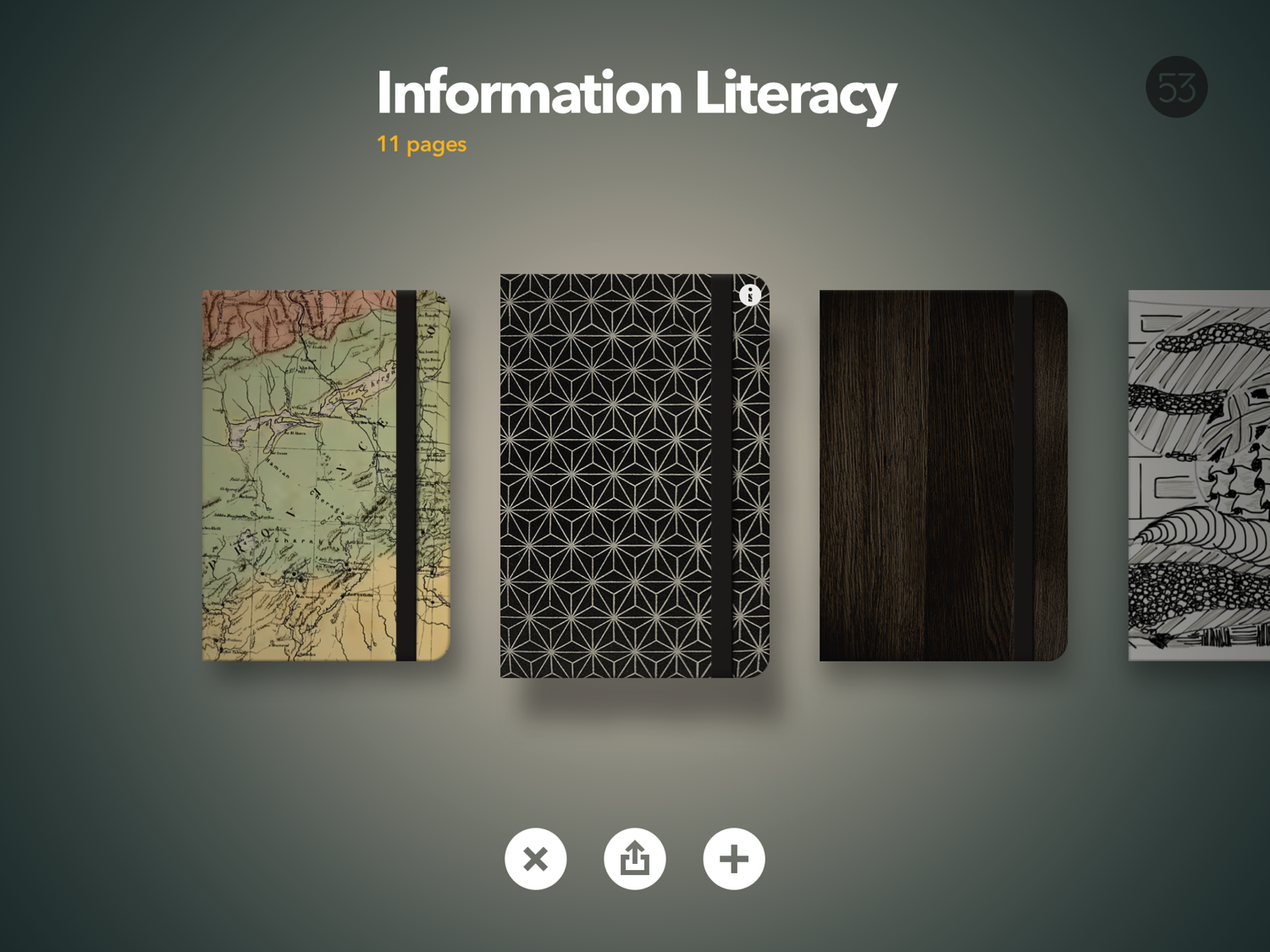
I drew the slides in the iPad app Paper by 53.

Before I get started, I just have to say that back when I was a writing center tutor myself, I never anticipated a time when I would address a room full of Writing and English folks, let alone speak on a topic as seemingly dry and boring as information literacy. And if you’d told me then that my favorite classes to teach would be on the epistemological and rhetorical underpinnings of citation styles… well, let’s just say that would have seemed too ridiculous to even warrant a laugh. But here I am; life is weird.

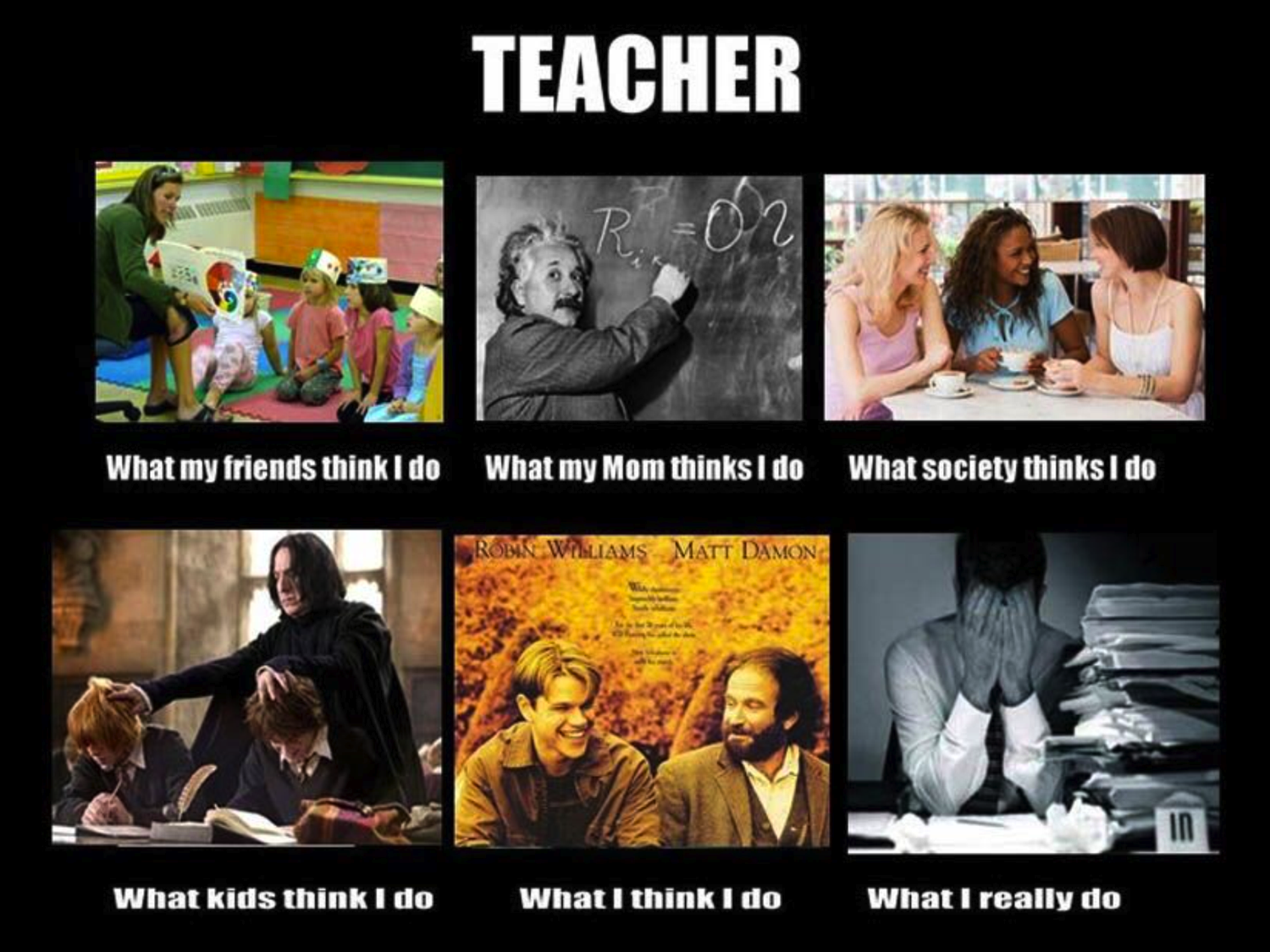
Anyway, do you remember that meme that was going around a couple of years ago? “What my mom thinks I do… what my kids think I do… what I think I do… I what I really do?” Here is one that resonated for me. Who hasn’t wanted to be that teacher from Good Will Hunting? And of course we all spend a lot of time looking like the poor teacher in that last panel.

Meme
http://teachersol.blogspot.com/2012/02/what-others-think-we-do.html

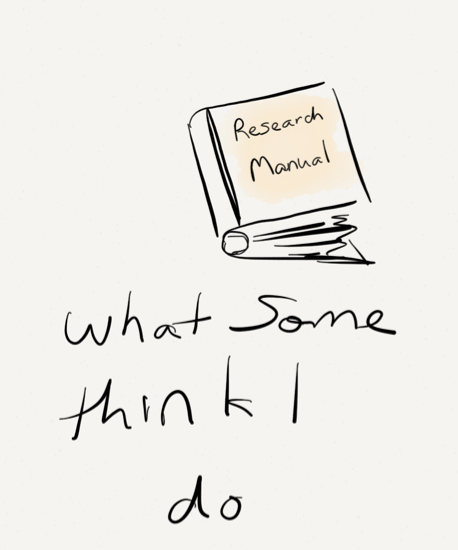
manualFishAs an instruction librarian, here’s what lots of people think I do, even other librarians: walk students through the Manual of Research Procedures. “Could you work this phrase or that module into all your instruction sessions?” Or “What do you tell all your students about how this or that back-end system works?” In this manual, if you turn to page 43 you’ll find Boolean operators, page 65 is Interlibrary Loan Policies and Procedures, and page 682 is on JSTOR options and techniques. If this really were my job I would be so bored, and a bored teacher is a bad teacher, so I’m really glad that this is not my job.
Another thing I get a lot is this is people thinking that we’re in the business of handing out answers. We’re all about teaching students to fish — helping them come up with strategies to use and resources to explore.

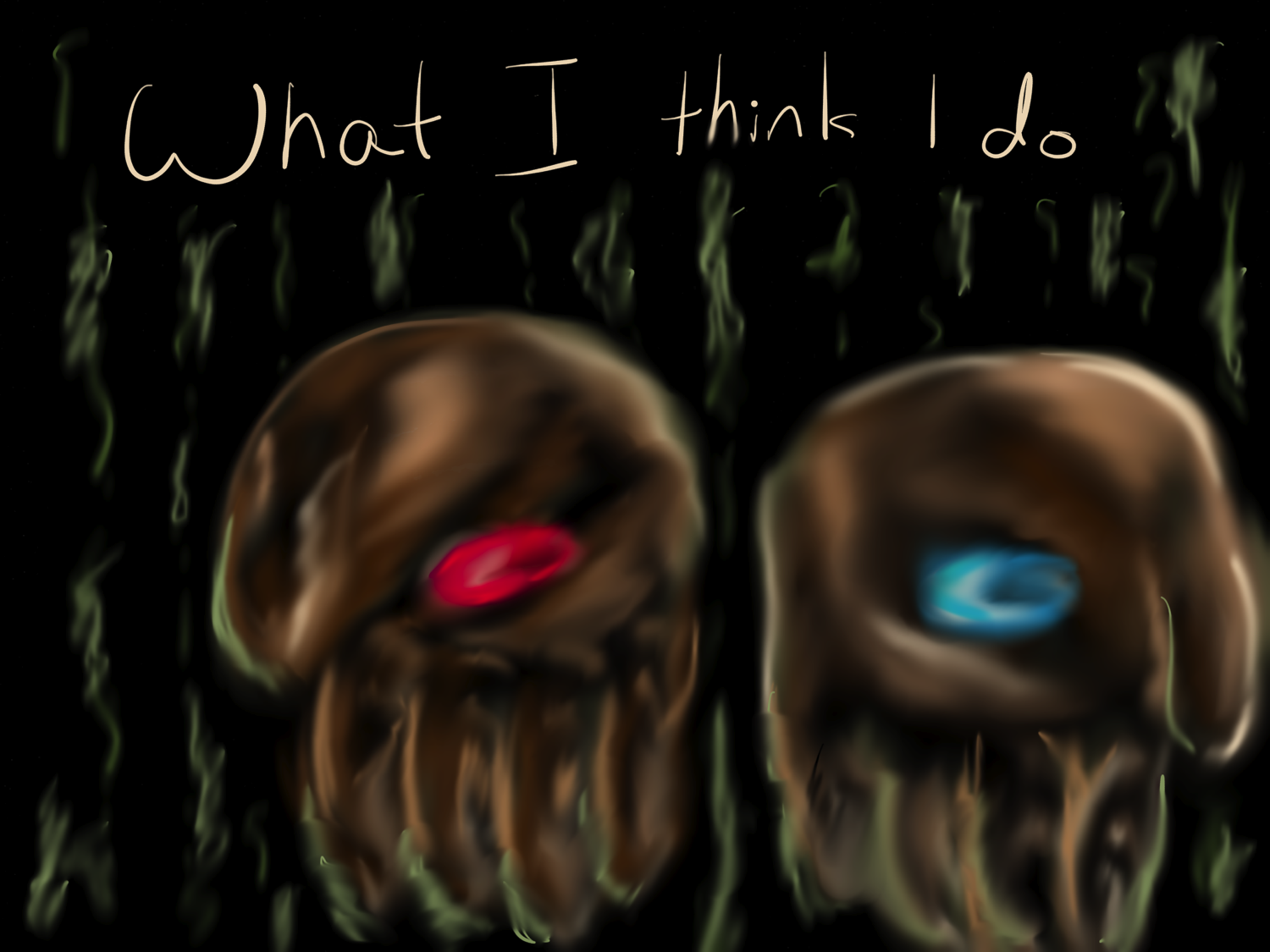
So what I think I do? I have this rather grand vision of myself as Morpheus from the Matrix. “Here, students, are two pills. Take the Red Pill and your life will never be the same again, the world of information will look fundamentally different, and there will be no turning back. Take the Blue Pill and you’ll probably pass your term paper.”


Morpheus

ReallyDoSo what do I really do? What I really do is teach principles and skills associated with information literacy, and I create and advocate for experiences in which my students can strengthen their information literacy habits of mind. (I couldn’t figure out how to draw that.)

So what is this “information literacy” thing that I’m teaching and advocating for? Well, first, it’s something that we’re all in the business of teaching – it’s just that I make it my focus. And it is located in the spaces between information.

But what does this mean?

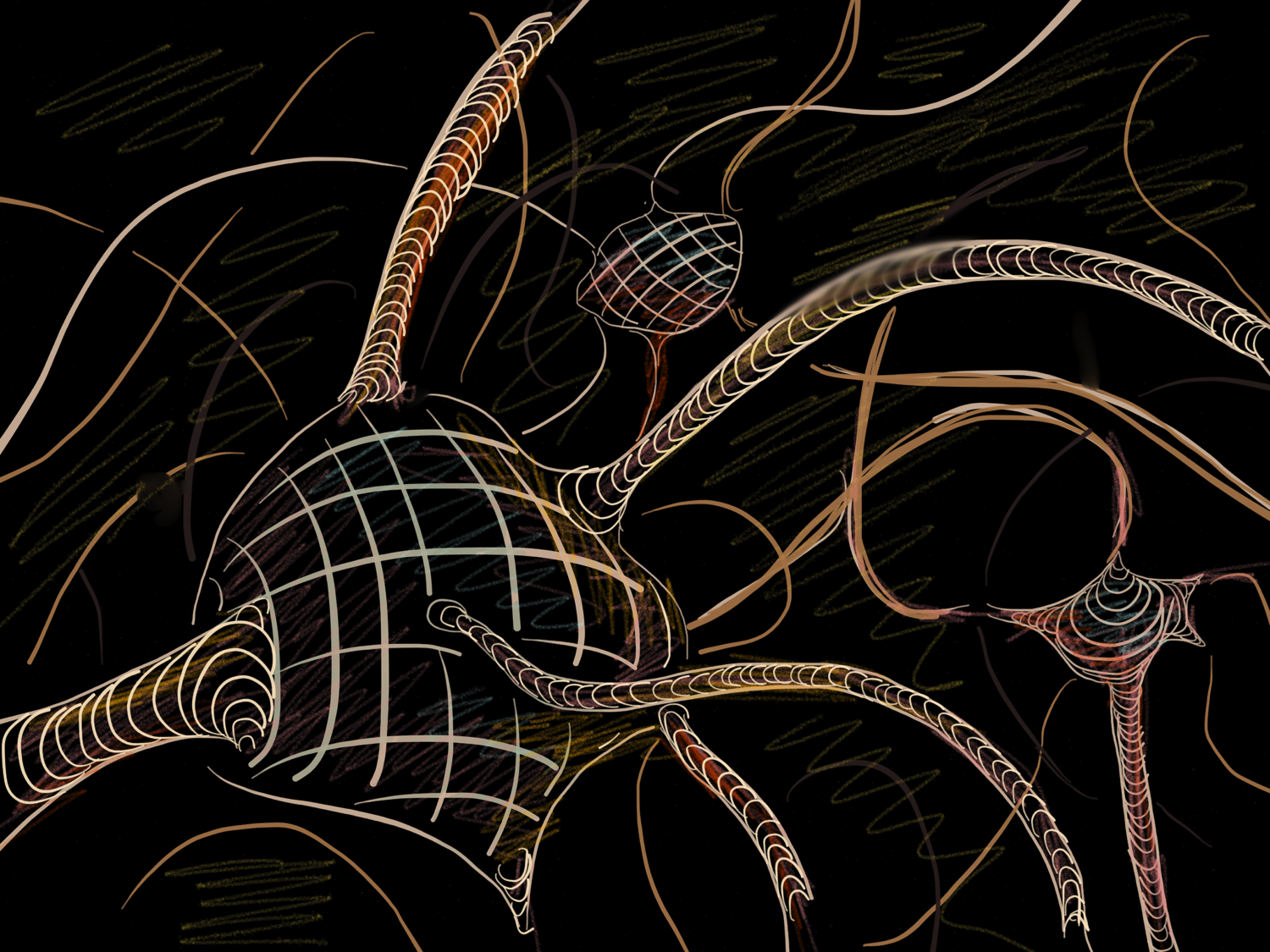
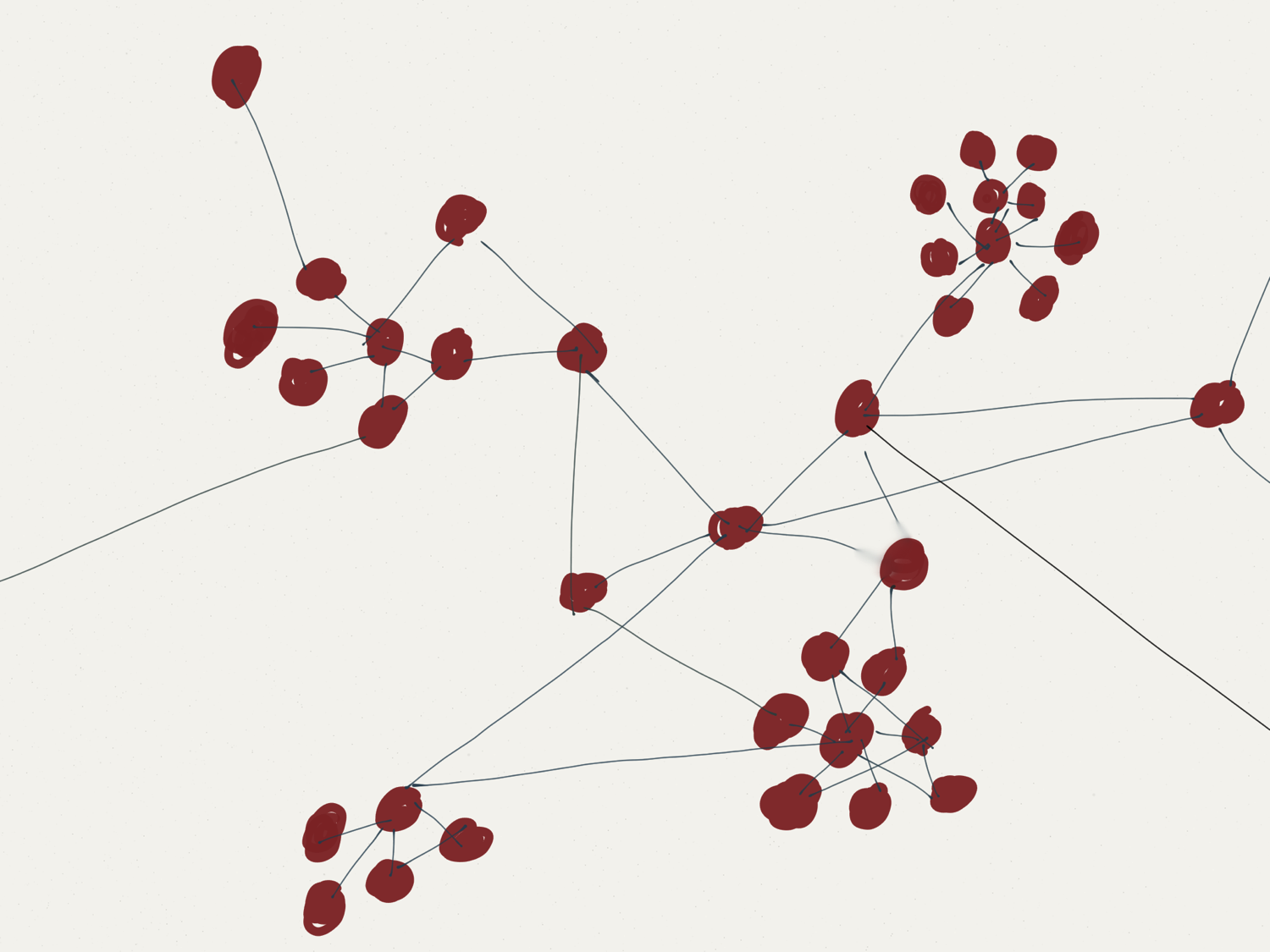
Think of a neural network.

Neurons

The neuron itself is fascinating, and I’m sure there’s someone somewhere out there who is making a single neuron his life’s work. But this wonderful neuron is nothing without its connections to other neurons in the context of a nervous system. It can fire and fire to its heart’s content, but if it’s the only neuron firing in this system, or if none of the other neurons are cooperating with each other, you’ve still got a dead body. No, it’s the cooperative, dynamic negotiation of signal and noise, impulse and understanding that animates the body. Just so, it is the discursive interplay between the information itself, the community’s values and practices, and effective participation in context-appropriate conversation — THAT is where information literacy sparks to life.

ThingsHere’s another way to think of it. Too often we concentrate on the books, articles, images, and other items — the stuff of research. Gather that stuff, cite it properly, don’t plagiarize, and you’ve got a research project! We have all seen those papers. “Here’s everything I know about x.” Or “here are a bunch of good sounding quotes that I like in this particular order.” But seeing research that way is not information literacy. The student may have arrived at these communicational non-entities using perfectly constructed, Boolean-laced search strings in exactly the right databases. The student may have evaluated that information beautifully and chosen exactly the right articles and books to cite perfectly in these papers. But this is not information literacy — neither you nor I am happy with this outcome (a point that Barbara Fister, whom many of you may know, made decades before I thought I arrived at it on my own, by the way, in her article “Teaching the Rhetorical Dimensions of Research.”) These techniques for finding and evaluating are the grammar, spelling, and punctuation of my profession: very important, for sure, but not sufficient.

NetworkNo, information literacy is about negotiating understanding within a context. It means being able to map out the community of inquiry and the various conversations that community is having. And then, it means being able to show that community where new knowledge fits. Parroting back other people’s conversations is not an effective conversation tactic in real life, right, so why should it work here? This is where you get to expand the conversation in very real terms.

But even this mapping is not yet enough. It helps us see the social and relational aspect of information literacy, but it doesn’t highlight the very real importance of the local culture of these conversations.

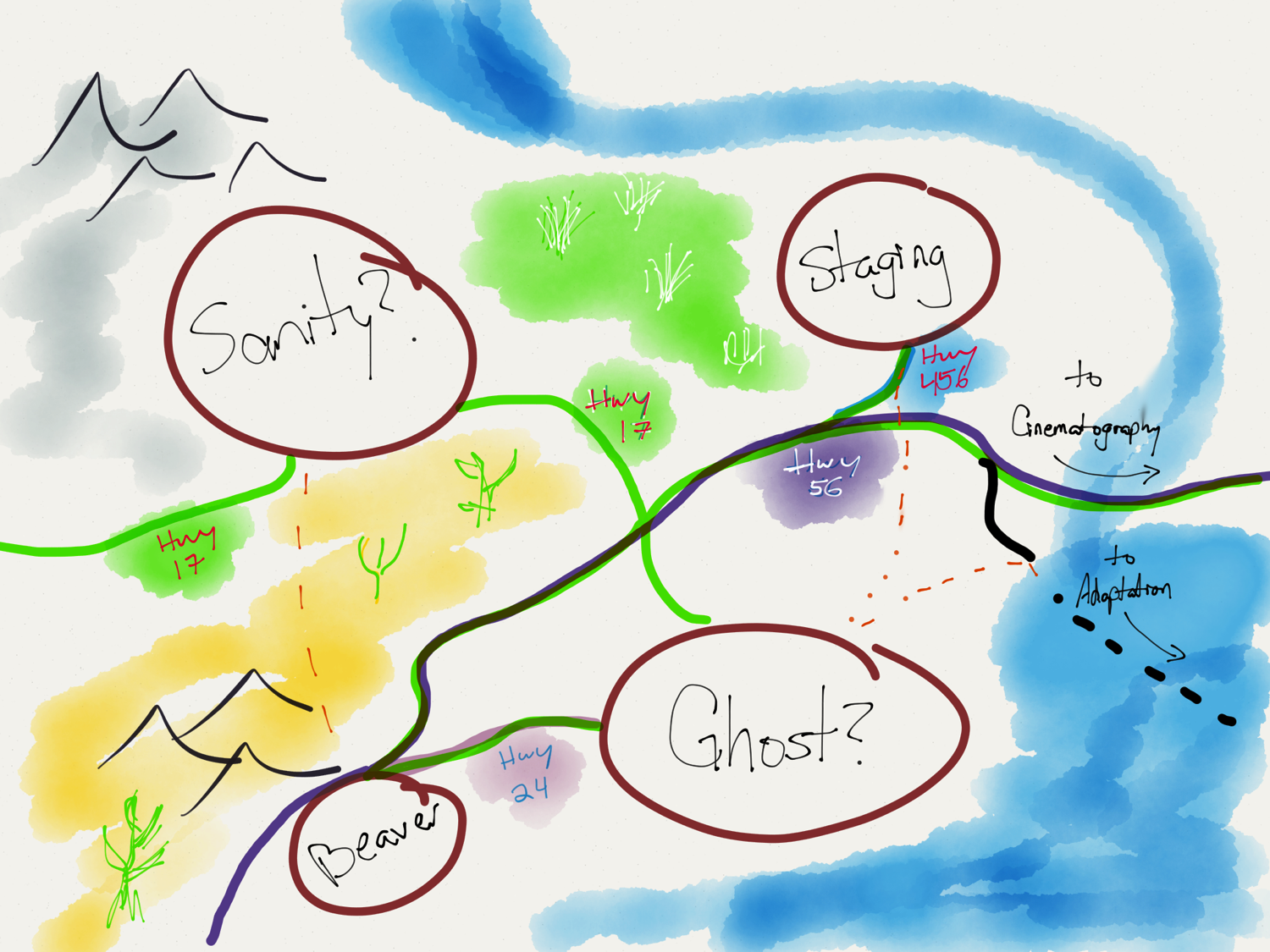
Here is a small section of the Continent Of Hamlet Studies.
Map
Each city-state within this content has its own laws, customs, and even language. So an effective participant in the city-state of Hamelt’s Sanity has to know things like what counts as evidence here? What are the rhetorical moves that matter here? Who are the important interlocutors? What is the vocabulary here? (And yes, the vocabulary matters to information literacy on many levels, not least because when you’re searching, computers can’t read. Computers only match letters in a row, and if you don’t use the letters-in-a-row that the rest of your community is using, you won’t be able to find what they’ve said.)

As Annemarie Lloyd says in her wonderful book, Information Literacy Landscapes, that information literacy is “the product of negotiated construction between individuals” (12). She says these individuals are “interacting with the artifacts, texts, symbols, actions and in consort with the other people in [given] context” (12). She calls this a “socially discursive practice” (15). You see why I think writing and information literacy go so well together?

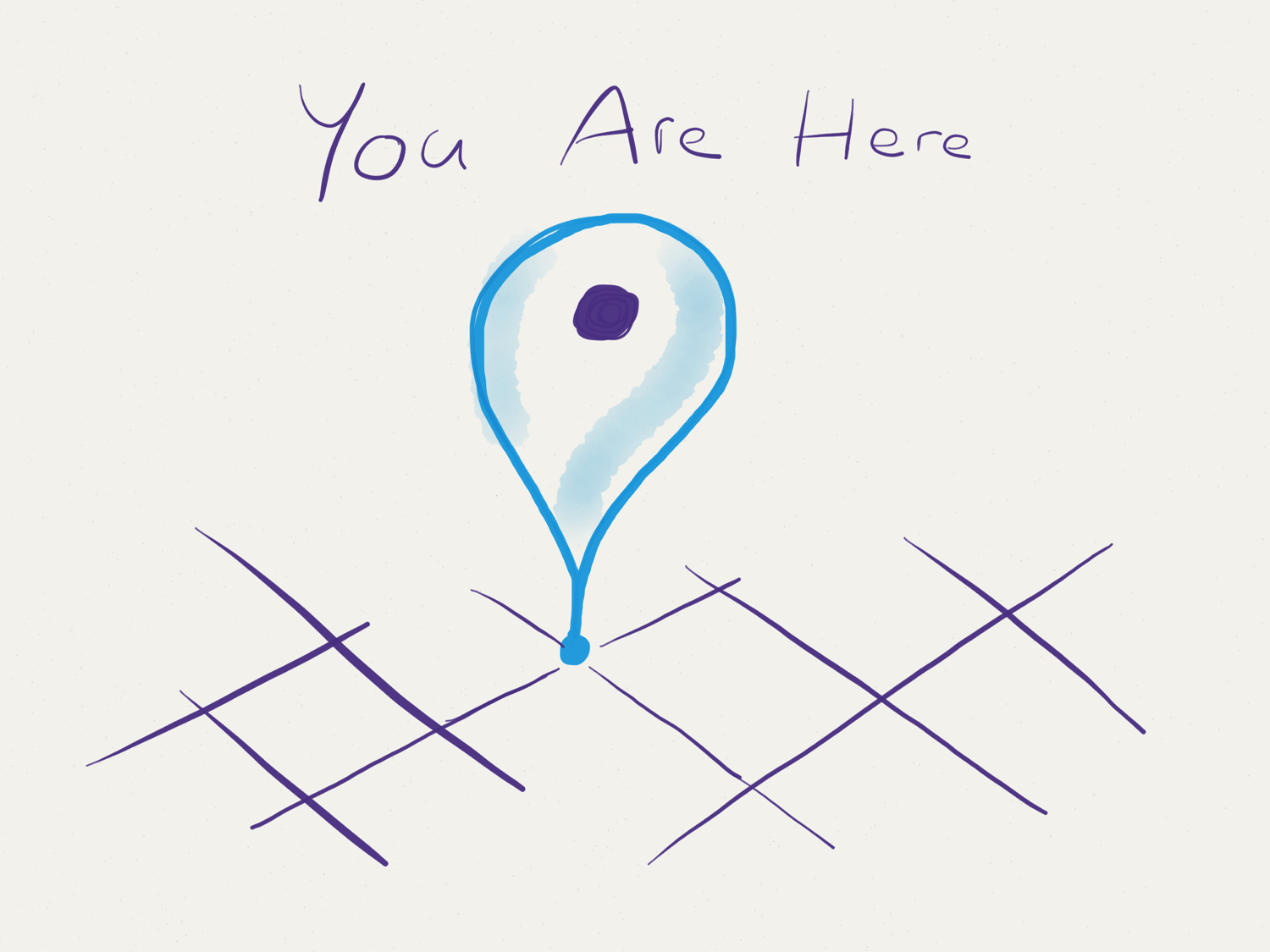
YouAreHereSo where is this literacy located? It is inextricably intertwined with communication. It is, as Rolf Norgaard says in his article “Writing Information Literacy,” “an inventional resource for the writing student, not merely a resources for supporting what has already been invented” (129). And it exists in the vital and dynamic connections between information and people.

So let’s all encourage our students to take the Red Pill. It’s a whole lot more fun.


——


Angala, Maria. “What others think we do #teachers #edchat [image].” Teacher Sol (blog). 19 February 2012. http://teachersol.blogspot.com/2012/02/what-others-think-we-do.html

Fister, Barbara. “Teaching the Rhetorical Dimensions of Research.” Research Strategies 11, no. 4 (1993): 211–19.

Lloyd, Annemaree. Information Literacy Landscapes: Information Literacy in Education, Workplace, and Everyday Contexts. Oxford: Chandos Publishing, 2010.

Norgaard, Rolf. “Writing Information Literacy: Contributions to a Concept.” Reference and User Services Quarterly 43, no. 2 (2003): 124–30.

5 Comments

Teaching in Circles

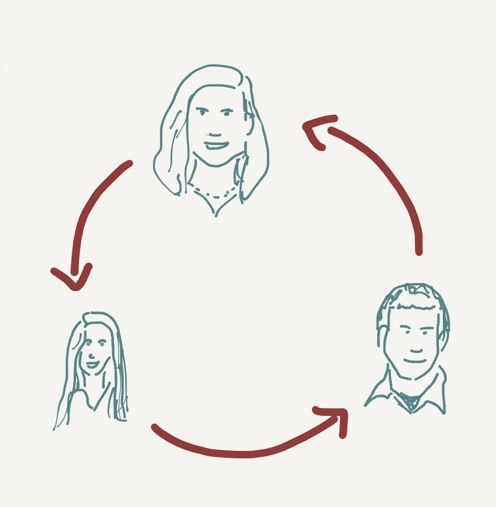
teaching circleEarlier this week I listened in fascination and envy while three professors reported on their experience as an unlikely teaching circle. Teaching circles, here, are groups of three faculty from different departments who team up to observe each other outside the normal departmental observation schedules. This particular teaching circle sounded like a those old “walked into a bar” jokes: a volleyball coach, a ceramics artist, and a computer scientist walked into a classroom…

What could three professors from such different areas learn from each other? Turns out quite a lot. I’m so jealous. I want to be in a teaching circle!

Here are the three things that stood out to me in the context of my own teaching.

The pedagogical importance of team spirit

The best work happens when there’s teamwork. This is pretty obvious when you’re talking about a team sport, but apparently it’s also a powerful thing in an academic classroom. In the CS classroom, students are incredibly engaged in working together to solve the “puzzle” that the professor sets up for them, shouting out options and editing other people’s suggestions until finally the code works. They support each other and hold each other accountable for the group’s success. Boy do I ever want that dynamic in my classroom.

Part of being a team is dealing with public success and failure. If people are shouting out suggestions, some of them are bound to be wrong. But if the team is strong it seems that it will kind of take that in stride and correct itself. I wonder what it would look like to build this kind of trust during a one-shot instruction session. There must be a way.

One thing I’ll hang on to is the CS professor’s mantra that what is important is NOT the individual succeeding or failing, but that the group arrives at success. Perhaps just keeping my eye on that goal will help shift the classroom dynamics a bit.

Physical context matters

The coach and the artist were both jealous of the CS prof’s classroom context where students knew what was expected of them academically and even took notes. I’m in a similar context where my classroom doesn’t have the trappings of a room in which you take notes and concentrate hard. So I asked the faculty if they’d come up with any strategies to combat their non-academic-classroom-looking-contexts. They suggested being very up front and just saying “You’ll want to write this down.” So I’ll try that!

Making sure they know what matters

In their own ways, each of the faculty talked about having conversations with their students in which the main question was “Do you understand why this matters?” I love this. LOVE it. So much of the stuff I teach can look an awful lot like busy work. Discussions like this could function similarly to my “do you understand why citation styles look different” module and get students on board with the larger goals of information literacy.

So yeah, I really want to be in a teaching circle.

3 Comments

Joining the Journal of Creative Library Practice

JCLPAnother year, another adventure. This year I’m honored, excited, and a little nervous to be trying my hand at editing a journal!

Joe Kraus recently invited me to join the editorial board of the Journal of Creative Library Practice. As soon as I saw the short list of wonderful librarians editing the journal, I knew I wanted to hang out with them and see what this young journal will become.

I know there are wonderfully creative librarians who read this blog — I’ve learned a lot from the comments and emails I get from you. So if you’ve got an article that highlights an interesting practice or solves a problem in an interesting way, drop us a line or submit a manuscript! Here are the instructions for authors.

Leave a Comment

Morning of Nerddom: appointment schedulers and feedback forms

First of all, I’m back! I’ve been devoting any writing energy to some article revisions, but now those are all submitted and I don’t have to feel guilty about cheating on my article with my blog. What a relief.

Anyway, this morning I spent nearly all of my time shirking other responsibilities in order to set up an appointment scheduler and some feedback forms. A couple of my colleagues use and love schedulers, so I thought I’d give it a try, and I’ve been hearing non-stop lately about the value of very very brief assessment, so I thought I’d try that in a more formalized way, too.

How my calendar looks to the scheduler
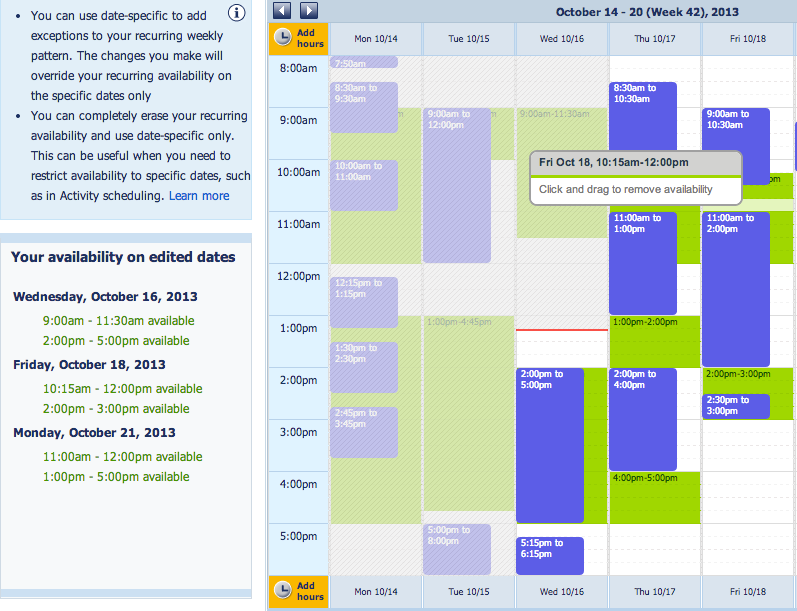
How my calendar looks to the scheduler. Blue is “busy” time from Zimbra via Gcal (this trumps available time). Green is available time that I can add to or erase by clicking and dragging.

I heard about ScheduleOnce on a recent friendfeed thread and made an account almost on a whim. “I’ll poke around and maybe set it up later.” Famous last words. It’s pretty nifty and lets me do pretty much all of the things I want, and some things I didn’t know I wanted. For example, I could set it up to send a reminder email to the student (maybe fewer no-shows?), and tell it how soon before the desired appointment time a student can book me. The one catch is that it’s made to work with Google Calendar, and my school uses Zimbra, so I had to import my Zimbra calendar into a google calendar (there are some limitations with this, but it’s better than nothing) and then tell ScheduleOne to look at the imported calendar for busy times (which required an upgrade to the $5/month plan). But if it works, it’s totally worth it to me.

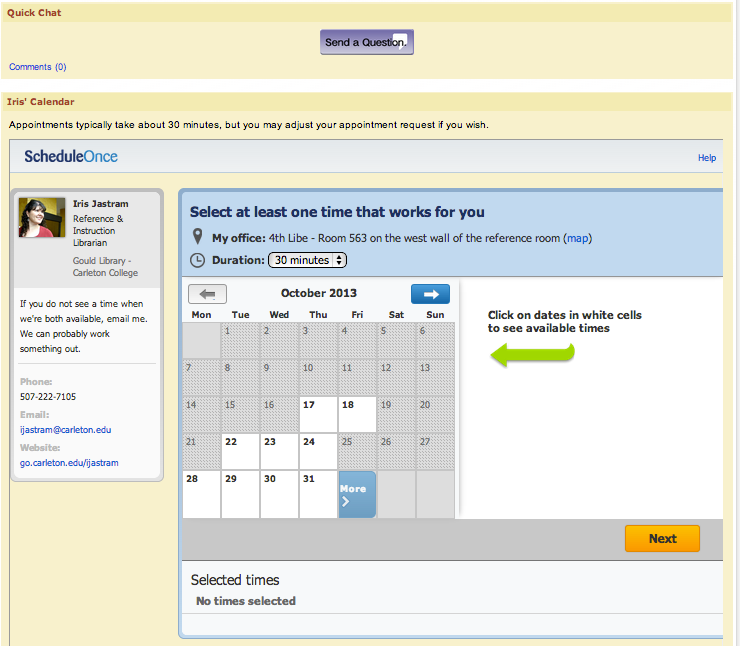
What my students see

After a couple hours of tinkering and testing and tinkering and importing and syncing and cursing Zimbra/Gcal quite contentedly, I embedded the scheduler page in my liaison page and thought I was done.

Then I remembered the “follow-up email” option in the scheduler that I had turned off. Who needs more email, right? Well, maybe people will give me some basic feedback if I ask nicely. So I hopped over to Google Docs and made a feedback form that basically asks two questions: “how satisfied are you” and “do you have follow up questions” (if yes, email me, because this form doesn’t collect any identifying information. Then I leave the traditional optional space to tell me more. Done. I added the link to a follow-up email thanking the student for the research meeting and telling them to email me if they have further questions, and I figured I was done.

But no. This made me think of the people talking about having students fill out forms embedded in libguides at the end of instruction sessions. I’ve done the “on the front of the notecard write something that was new and/or helpful; on the back write something that is still confusing or you’d like to know more about” kinds of exercises on occasion, and I’d love to do more of them, but I often don’t have notecards at the last minute. So I basically made that into a Google Form, embedded it in a page on libguides, and now I’m set to copy that page to any other guides I make. Tada!

And thus ends my morning of nerddom.

Update: 10/31/2013

This is going exceptionally well so far. I’ve done a few user error things along the way, but over all it has been such a help. Almost no futzing with calendars every day, and almost no back-and-forth emails with students about meeting times. I’m in love!

3 Comments

We’re Published! “Swimming the Matrix: A Dialogue on Teaching Undergraduate Research”

Danielle Theiss and Kiane Kovacs have edited and published a book inspired by the work and writings of Barbara Fister, one of the librarians I most respect in the profession for her complex thinking, clear writing, and general all around amazingness as a person.

The book itself has chapters of all kinds, each of which is inspired by the three main areas of Barbara’s public voice: Change and Academic Librarians, Student Learning and Research, and Publishing and the Academic Library. And one of those chapters is a dialogue that Steve and I had about working effectively with undergraduates. It’s decidedly not  your average library science essay, and it was awfully fun to do. We hope you’ll enjoy reading as much as we enjoyed writing it!

Jastram, Iris, and Steve Lawson. 2013. “Swimming in the Matrix: A Dialogue on Teaching Undergraduate Research.” In Finding a Public Voice: Barbara Fister as a Case Study, edited by Danielle Theiss and Diane Kovacs, 69–84. Chicago: ACRL.


p.s. Kudos to ACRL for their fabulous author agreements.

2 Comments

Things we know about how information works that our students do not (yet)

Sometimes when I teach first year students how to use a book (the table of contents and index are the “google of the book” telling you what’s inside and where to find what you want) I get shocked looks from profs. In fact, last week one prof argued gently with me that I was surely mistaken that this kind of thing was news to our first year students. Surely they know how books work, how periodicals work, or that encyclopedias are often ordered alphabetically.

Well, thank goodness for Barbara Fister who just started compiling a list of just these kinds of things, where we have a tacit understanding of how information works but our students do not. Everything on her list resonates strongly with me and my experience of first and second year students.

Go read it! Tacit Knowledge and the Student Researcher

2 Comments

Information Literacy in a Utopian High School

About a month ago I got two separate emails from completely different people asking about what I think high school students should know about information literacy before coming to college. I, uh, procrastinated a bit. The question was just kind of daunting and got all wrapped up in all the normal thoughts people have about these things (“College students today, they just don’t understand even the BASICS!”) along with some worried thoughts I wasn’t expecting and don’t actually believe in (“If they know this stuff when they get to me, what will I do?”). Plus, we’re in the last few weeks of school here (yes, still) so I could procrastinate while being busy with student questions, which could even be a great excuse except that I know I was just putting it off.

Before I go any further, I should point out that not only have I never taught in a high school myself, I never even went to high school. So I’m certainly no expert in what gets taught there. My perspective is that of a librarian who spends the first 10 weeks of every school year teaching about a third of our first year seminar students. Also, these are ideas, not a curriculum. I’m just thinking out loud here, as usual. So with that said, what should high school students know before coming to college?

Habits of Mind

  1. A research paper is not (usually) a report. Very few reports get assigned in college. When faced with their first research projects here, students really really want to write what John Bean terms an “all about” paper — these tend to have “And then” as a standard transition and they basically summarize all known facts about a particular topic.
  2. Curiosity, and high comfort with the idea of finding out what people know about whatever you’re curious about. I have a browser open nearly all day every day, and I can’t tell you how many searches I do in a day — everything from checking on the spelling of a word (Google is my dictionary) or figuring out more about something I saw on TV or something I’ve read.
  3. Understanding that journalists, scholars, business people, etc don’t have their well-formed ideas drop on them from the sky. They do not utter Truth-with-a-capital-T. They offer perspective and (hopefully) support that perspective with some context/evidence/proof.  They, too, went through the messy process of figuring out what they even wanted to know about a given topic, and the uncertain phase of collecting and analyzing and rethinking and collecting some more. This is a really difficult lesson to learn, so the sooner you start thinking about it the better! And the better you know this, the easier it will be to engage with outside sources rather than simply report on them.
  4. Gather information, THEN write the paper. The other way around is just painful.
  5. Cite what you use. This is good for you (no plagiarism) and good for your reader (more context), and besides, you’ll be graded on it. This is a habit more than a skill because the individual rules for this citation style or that matter far less than the habit of bringing in and acknowledging the participants in the conversation that you’re having in the form of your research project.
  6. Talking to people (especially librarians or writing consultants or discipline experts) is not cheating. It’s the way knowledge creation happens. And since this isn’t a “report” getting information isn’t the whole point. You’ll still be able to think about and communicate about your analysis and synthesis and conclusions. Those journalists and scholars who didn’t have their ideas fall on them out of the sky? They talked to people, too.

Research skills

  1. I tend to expect students to have searched google. A lot. This is not always the case, but it’s the assumption upon which I build many of my classes and one-on-one instruction.
  2. Books are good, and knowing the parts of the book (table of contents, the amazing thing that is the index, the introduction, the conclusion) will help you get the most out of a shelf of books in extremely short order.
  3. Browsing is good. Search can only get you so far, particularly if you are a novice in the field (which is everyone in high school) and therefore don’t know the vocabulary that each field develops and uses to exchange ideas. I call this the Term Economy, and it’s what makes searches work or fail. If you haven’t paid much into that economy yet, browsing is even more your friend than it is for everyone else.
  4. Call numbers mean a topic. You don’t have to know what topic any given string means, but knowing that really helps with browsing.
  5. Find full text based on a citation. Only about 30% of our incoming students can do this and I would love it if all of them could.
  6. Keep track of what you find. Whether that means printing stuff out, saving it to something like Zotero or Evernote or whatever, it will stand you in really good stead.

Tools

  1. Word processing
  2. Basic proficiency with a browser
  3. Browser addons (so many library tools involve bookmarklets and browser addons)
  4. Citation generator? Zotero is great and useful in many many more ways that just producing citations. Straight up citation generators? I’m neither opposed to nor in favor of them. The only thing I really care about is whether the student knows enough about basic citations to be able to look at a citation and use it to find the text. THAT’s what’s important about citations. The rest is periods and commas.

I’m sure there are plenty of other things high school students do and should know before entering college, but these are the things that trip up my first year students either consistently or spectacularly.

3 Comments

Well THAT’S Inconvenient: Academic Ebooks Strike Again

A researcher here found a citation to a book she needs. There’s nothing else like it, it’s by a prominent critic about a VERY obscure author from the early decades of the 1800s, and it could contain the one nugget of information that she needs for a massive research project she’s undertaking. What if her conclusion completely match or completely contradict this other critics conclusions? She’ll look the fool.

So I looked high and low for a copy, but it turns out that the book is only available as one ebook in a package of ebooks. So that’s a bummer. Nobody will be allowed to interlibrary loan it to us, so now we’re left with the choice of either saying “sorry, that’s just something you can’t see unless you take a field trip to one of the (few) libraries that bought that package” or else buying a whole package of ebooks, which would make this one of the more expensive books in our collection.

Please tell me this isn’t the wave of the future. It breaks my poor librarian’s heart.

12 Comments
css.php